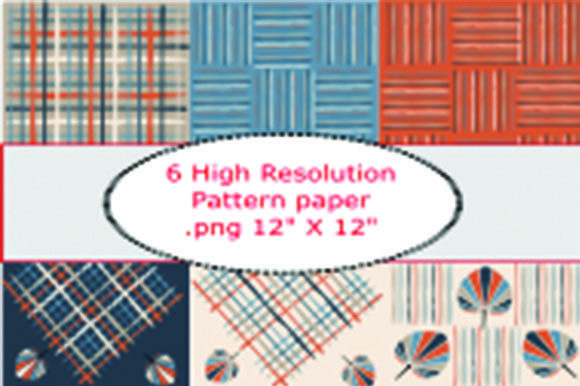
6 Line Pattern Paper: A Strategic Tool for Creative and Professional Success
For professionals, creators, and entrepreneurs, the right tools can make a significant difference in productivity, creativity, and results. 6 Line Pattern Paper is more than just a design element—it's a structured framework that supports strategic thinking, visual planning, and consistent execution. When used intentionally, this pattern offers a foundation for organizing ideas, refining concepts, and enhancing communication across various projects and industries.
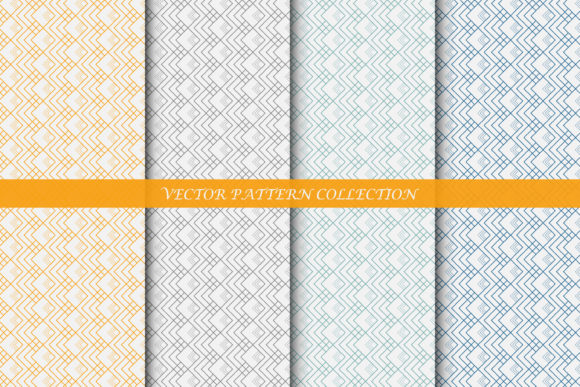
Whether you're designing book covers, developing marketing materials, or planning business strategies, the 6 Line Pattern Paper provides a clear structure that aligns with practical goals. Its simplicity allows for flexibility while maintaining a level of professionalism that resonates with both clients and stakeholders. The accompanying high-resolution PNG patterns ensure that your designs remain sharp and scalable, making them suitable for digital and print applications alike.
Understanding the Strategic Value of 6 Line Pattern Paper
The 6 Line Pattern Paper is designed to offer a balanced layout that encourages clarity and focus. Each line serves as a guide for visual organization, helping users break down complex tasks into manageable components. This structure is particularly useful for individuals who rely on visual aids to enhance their decision-making process or communicate ideas effectively.
In creative fields such as graphic design, illustration, and publishing, the 6 Line Pattern Paper acts as a canvas for experimentation. It allows artists to sketch layouts, test typography, and explore color schemes without the constraints of a fully developed design. For writers and editors, it can serve as a template for outlining content, ensuring that each section flows logically and maintains a cohesive structure.
From a business perspective, the 6 Line Pattern Paper can be integrated into project management, branding, and customer experience strategies. By using this pattern as a reference, teams can maintain consistency in visual elements, streamline workflows, and improve overall efficiency. Its adaptability makes it a valuable resource for anyone looking to refine their approach to problem-solving and innovation.
When to Use 6 Line Pattern Paper for Maximum Impact
There are specific scenarios where the 6 Line Pattern Paper becomes especially useful. For instance, when creating book covers, this pattern can help designers establish a balanced composition that draws attention and conveys the essence of the content. The uniformity of the lines ensures that text, images, and other design elements are aligned in a way that enhances readability and aesthetic appeal.
During the planning phase of a project, the 6 Line Pattern Paper can serve as a visual roadmap. It helps break down large objectives into smaller, actionable steps, making it easier to track progress and adjust strategies as needed. This is particularly beneficial for entrepreneurs and small business owners who need to manage multiple tasks simultaneously while maintaining a clear vision.
For educators and trainers, the 6 Line Pattern Paper can be used to create lesson plans, infographics, and instructional materials. Its structured format supports the delivery of information in a way that is easy to follow and visually engaging. This makes it an effective tool for both traditional and digital learning environments.
How to Approach 6 Line Pattern Paper for Effective Results
To get the most out of 6 Line Pattern Paper, it's essential to start with a clear objective. Ask yourself: What am I trying to accomplish? How will this pattern support my goals? These questions help ensure that your use of the pattern is intentional rather than arbitrary.
One effective approach is to combine the 6 Line Pattern Paper with other design tools. For example, using it as a base for digital illustrations or as a layout guide for printed materials can enhance the overall quality of your work. Additionally, experimenting with different colors, textures, and fonts can add depth and variety to your designs while maintaining the structural integrity of the pattern.
Another key consideration is scalability. Since the 6 Line Pattern Paper comes in high-resolution PNG format, it can be easily adjusted to fit different sizes and formats. This versatility makes it ideal for a wide range of applications, from small business cards to large-scale banners and posters.
Strategic Observations and Decision-Making Guidance
When working with 6 Line Pattern Paper, it's important to observe how the pattern interacts with other elements in your design. Does it complement the message you're trying to convey? Does it enhance the user experience? These observations can inform your decisions and lead to more impactful outcomes.
For instance, if you're using the pattern for a marketing campaign, consider how it aligns with your brand identity. Does it reflect the tone and values of your company? If not, adjustments may be necessary to ensure consistency across all touchpoints. Similarly, if you're using it for a personal project, think about how it supports your creative vision and communicates your unique style.
By integrating the 6 Line Pattern Paper into your workflow, you can develop a more systematic approach to your work. This not only improves efficiency but also fosters a deeper understanding of how visual elements contribute to overall success.
Potential Risks of Using 6 Line Pattern Paper Without Clarity
While the 6 Line Pattern Paper is a powerful tool, it can also lead to inefficiencies if used without clear direction. One common risk is over-reliance on the pattern without considering the broader context of the project. This can result in generic designs that fail to meet the specific needs of the audience or the goals of the initiative.
Another risk is the lack of customization. Simply applying the pattern without adapting it to the unique requirements of the task can lead to a one-size-fits-all approach that lacks originality and impact. To avoid this, take the time to analyze the purpose of the project and tailor the pattern accordingly.
Finally, failing to understand the limitations of the pattern can lead to unrealistic expectations. While it provides a strong foundation, it should be viewed as a starting point rather than a complete solution. Combining it with other techniques and tools will yield better results and ensure that your work stands out in a competitive landscape.
Intentional Use of 6 Line Pattern Paper for Long-Term Value
Ultimately, the value of 6 Line Pattern Paper lies in how it is used. By approaching it with intention and strategy, you can unlock its full potential and achieve meaningful results. Whether you're working on a creative project, a business plan, or an educational resource, this pattern offers a structured yet flexible framework that supports your goals.
Take the time to experiment, reflect, and refine your approach. The more you engage with the 6 Line Pattern Paper, the more you'll discover its ability to enhance your work and drive long-term success. With the right mindset and application, this tool can become an essential part of your creative and professional toolkit.