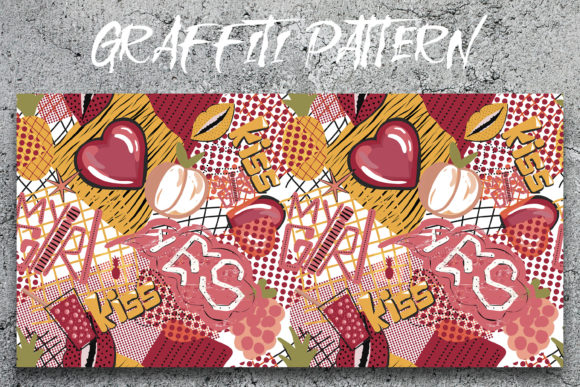
Graffiti Pattern. Urban Lifestyle
In today's fast-paced world, urban lifestyle has become more than just a way of living—it's a cultural movement. At the heart of this movement lies the graffiti pattern, a visual language that speaks to the energy, creativity, and identity of city life. From street art to digital design, graffiti patterns have evolved into a powerful tool for self-expression and branding. Whether you're a designer, artist, or business owner, understanding the significance of graffiti patterns can open up new opportunities in both personal and professional contexts.
The Rise of Graffiti in Modern Design
Graffiti has long been associated with rebellion and underground culture, but its influence has expanded far beyond alleyways and abandoned buildings. Today, it's a staple in fashion, graphic design, and even architecture. The graffiti pattern is no longer just about tags and wildstyle; it's a versatile aesthetic that can be adapted to fit various creative needs. This shift reflects a broader trend in urban lifestyle—where authenticity and individuality are highly valued.
Designers and artists now use graffiti-inspired elements to create bold, eye-catching visuals that resonate with younger audiences. The integration of graffiti patterns into mainstream design signals a growing appreciation for the raw, unfiltered energy that street art brings to the table. This evolution is not just about aesthetics; it's about connecting with a generation that prioritizes creativity and self-expression.
Understanding the Components of a Graffiti Pattern Set
A comprehensive graffiti pattern set typically includes multiple file formats to suit different applications. For instance, a vector file (such as ENP10) allows for scalable and editable designs, making it ideal for digital projects or large-scale printing. On the other hand, PNG and JPEG files offer high-resolution options for print and web use. These files are often designed at 300dpi with dimensions of 5000x5000 pixels, ensuring clarity and detail when printed at 16.6x16.6 inches.
The availability of these formats makes it easier for creators to incorporate graffiti patterns into their work without compromising quality. Whether you're designing a poster, creating a logo, or developing a brand identity, having access to high-quality files ensures that your final product looks professional and polished.
Why Graffiti Patterns Matter in Urban Culture
Graffiti patterns are more than just decorative elements—they reflect the spirit of urban culture. In cities around the world, graffiti serves as a form of communication, a way for individuals to leave their mark on the environment. This practice has given rise to a unique visual language that is both expressive and dynamic.
For many, graffiti patterns represent a sense of freedom and empowerment. They allow people to express their thoughts, beliefs, and identities in a public space. This aspect of graffiti aligns with the values of modern urban lifestyles, where personal expression and community engagement are increasingly important. As cities continue to evolve, so too does the role of graffiti in shaping the visual landscape.
How Graffiti Patterns Influence Modern Workflows
The integration of graffiti patterns into professional workflows is becoming more common across various industries. In marketing, for example, brands are using graffiti-inspired visuals to connect with younger demographics. This approach helps to create a sense of authenticity and relatability, which can be crucial in building customer loyalty.
For freelancers and entrepreneurs, incorporating graffiti patterns into their work can set them apart from competitors. Whether it's through social media graphics, website design, or product packaging, graffiti patterns add a distinctive flair that captures attention. This is particularly relevant in an era where visual content plays a significant role in consumer decision-making.
Practical Applications for Creators and Businesses
Creators and businesses can benefit greatly from using graffiti patterns in their projects. For artists, these patterns provide a source of inspiration and a way to experiment with new styles. For businesses, they offer a way to stand out in a crowded market by leveraging a visually striking aesthetic.
Consider a small business owner looking to revamp their brand image. By incorporating graffiti patterns into their logo or marketing materials, they can create a more engaging and memorable presence. Similarly, a designer working on a project might use graffiti patterns to add a layer of depth and character to their work.
Embracing the Future of Urban Aesthetics
The future of urban aesthetics is likely to be shaped by continued innovation and experimentation. As technology advances, new tools and platforms will emerge that allow for even more creative possibilities. This means that graffiti patterns will continue to evolve, adapting to new trends and preferences.
For those interested in staying ahead of the curve, exploring the latest graffiti pattern sets can be a valuable investment. By keeping an eye on emerging styles and techniques, creators and professionals can ensure that their work remains relevant and impactful. This forward-thinking approach is essential in a rapidly changing urban landscape.
Recommendations for Using Graffiti Patterns
If you're considering using graffiti patterns in your work, there are a few key recommendations to keep in mind. First, make sure to choose high-quality files that meet your specific needs. Whether you're working with vector, PNG, or JPEG formats, the quality of the files will directly impact the final result.
Second, consider the context in which you'll be using the patterns. Different applications may require different levels of detail and resolution. For example, a digital project may need a different file size than a large-format print. Understanding these nuances can help you make informed decisions about how to best utilize the patterns.
Finally, don't be afraid to experiment. Graffiti patterns are inherently creative, and there's no one-size-fits-all approach to using them. By playing with different styles and combinations, you can discover new ways to express your ideas and connect with your audience.