Minimalist Geometric Pattern: A Strategic Design Choice for Modern Creatives
In today’s design landscape, simplicity often holds the most power. The Minimalist Geometric Pattern exemplifies this principle, offering a clean, structured aesthetic that resonates across various industries and applications. This design style uses basic shapes—such as rectangles, triangles, and circles—to create visually compelling compositions that are both functional and elegant. Its appeal lies in its ability to convey clarity, sophistication, and modernity without overwhelming the viewer.
For professionals, entrepreneurs, and creatives, understanding how to strategically use the Minimalist Geometric Pattern can lead to better decision-making, improved communication, and more effective branding. Whether you're designing for print, digital media, or product development, this pattern provides a versatile foundation that supports a wide range of goals.
Why Minimalist Geometric Pattern Matters in Design Strategy
The Minimalist Geometric Pattern is not just an aesthetic choice—it's a strategic tool. Its simplicity allows for greater focus on key elements, making it ideal for projects that require clear messaging, visual hierarchy, or a strong brand identity. In a world where attention spans are short, this pattern helps cut through the noise by delivering information efficiently and effectively.
Consider how this pattern can support your objectives. If you're aiming to create a website with a professional look, a Minimalist Geometric Pattern can serve as a background that enhances readability without distracting from content. For product packaging, it offers a timeless design that appeals to a broad audience while maintaining a sense of quality and refinement.
Moreover, the Minimalist Geometric Pattern aligns well with modern trends in minimalism, which emphasize intentionality and purpose. This makes it a valuable asset for those looking to position their work within contemporary design movements.
When and How to Use Minimalist Geometric Pattern Effectively
Understanding when to use the Minimalist Geometric Pattern is crucial for achieving the desired impact. It works best in situations where clarity and structure are essential. For instance, in presentations, it can help organize complex data into digestible formats. In marketing materials, it can reinforce brand consistency while maintaining visual interest.
Before incorporating the Minimalist Geometric Pattern, consider the context and audience. Ask yourself: What message do I want to convey? Who is my target audience? How will this pattern enhance the user experience? These questions can guide your design decisions and ensure that the pattern serves a clear purpose.
Additionally, think about the balance between simplicity and creativity. While the Minimalist Geometric Pattern is inherently simple, it can be adapted in numerous ways to reflect unique styles and ideas. Experimenting with different color schemes, spacing, and layering can add depth and character to your designs without compromising the minimalist approach.
Practical Applications of Minimalist Geometric Pattern
The versatility of the Minimalist Geometric Pattern makes it suitable for a wide range of applications. From digital interfaces to physical products, it can be used to enhance both form and function. Here are some practical examples:
- Wallpaper and Interior Design: The Minimalist Geometric Pattern can transform any space with its clean lines and structured layout. Whether used on walls, furniture, or textiles, it adds a touch of modern elegance.
- Printed Materials: From business cards to brochures, the Minimalist Geometric Pattern offers a professional and cohesive look that reflects your brand's values.
- Apparel and Textiles: Incorporating this pattern into clothing, handkerchiefs, or pillowcases can create stylish and functional items that stand out in a competitive market.
- Book Covers and Publications: The Minimalist Geometric Pattern can make book covers more visually appealing while maintaining a sense of sophistication and professionalism.
Each application requires a thoughtful approach to ensure that the pattern complements the overall design and meets the specific needs of the project.
Planning and Decision-Making with Minimalist Geometric Pattern
Strategic planning is essential when working with the Minimalist Geometric Pattern. Start by defining your goals and identifying how this pattern can support them. Are you looking to improve user engagement, strengthen brand identity, or streamline a process? The answers to these questions will shape your design choices.
Consider the long-term value of the Minimalist Geometric Pattern. Will it remain relevant over time? Can it be adapted for future projects? By thinking ahead, you can ensure that your designs have lasting impact and flexibility.
Another important aspect is collaboration. When working with teams or clients, clearly communicate how the Minimalist Geometric Pattern contributes to the project's success. This helps align expectations and ensures that everyone is working toward the same vision.
Risks of Using Minimalist Geometric Pattern Without Clear Goals
While the Minimalist Geometric Pattern is powerful, it can also be misused if applied without a clear purpose. One common risk is over-simplification, where the pattern becomes too generic and fails to convey the intended message. This can lead to confusion, lack of engagement, or even a loss of brand identity.
Another risk is inconsistency. If the Minimalist Geometric Pattern is not integrated properly, it may clash with other design elements or fail to maintain a cohesive look. This can undermine the effectiveness of your work and reduce its impact on the audience.
To avoid these risks, always approach the Minimalist Geometric Pattern with intention. Define your goals, understand your audience, and test your designs before finalizing them. This ensures that the pattern enhances your work rather than detracts from it.
How to Use Minimalist Geometric Pattern Intentionally
Intentional use of the Minimalist Geometric Pattern starts with a deep understanding of your design goals. Ask yourself what you want to achieve and how this pattern can help you get there. Then, experiment with different variations to find the one that best suits your needs.
Consider the following tips for intentional use:
- Define Your Purpose: Before applying the Minimalist Geometric Pattern, clarify its role in your project. Is it for branding, communication, or aesthetics? Knowing the purpose will guide your design decisions.
- Test and Refine: Create multiple versions of your design and evaluate which one delivers the best results. Testing helps identify what works and what needs improvement.
- Stay Consistent: Ensure that the Minimalist Geometric Pattern aligns with other elements of your design. Consistency builds trust and reinforces your brand identity.
- Seek Feedback: Get input from others to gain new perspectives. Feedback can highlight strengths and weaknesses you may have overlooked.
By following these steps, you can harness the full potential of the Minimalist Geometric Pattern and use it to achieve meaningful outcomes.
Explore More with Sikey Studio
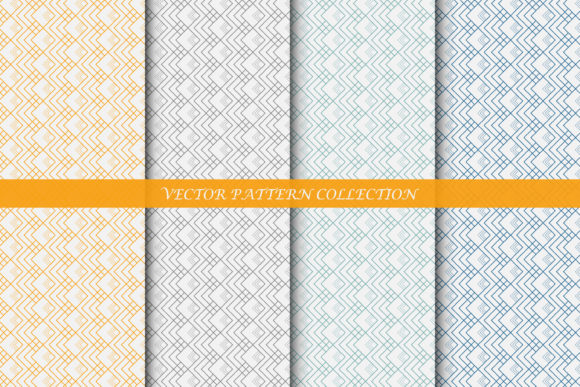
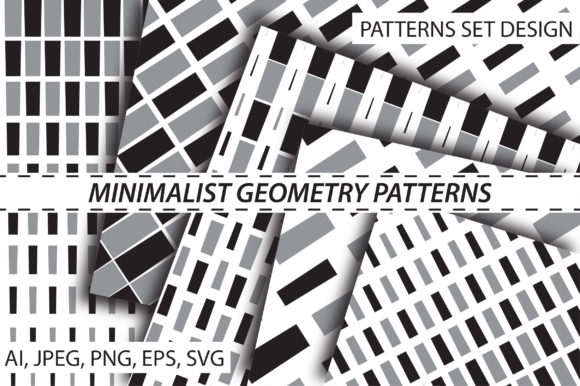
If you're interested in exploring the Minimalist Geometric Pattern further, Sikey Studio offers a collection of high-quality design files in multiple formats, including JPEG, PNG, EPS, SVG, and AI. Each design is crafted with precision and attention to detail, ensuring that it meets the highest standards for both digital and print use.
With five unique designs available at 864x864 pixels, these patterns provide flexibility for a variety of creative projects. Whether you're working on a personal endeavor or a professional assignment, the Minimalist Geometric Pattern from Sikey Studio can elevate your work and bring your vision to life.
Don’t forget to follow Sikey Studio for the latest updates on design products and creative inspiration. Connect with us on social media to stay informed and engaged with our growing community of designers and creators.